

Annzyme - Angel Special Enzymes
Annzyme is a new brand for Angel enzymes products.
Focusing on the R&D and promotion of special enzymes and biological products, to tap into the infinite possibilities of enzyme technology in the baking, food taste, brewing, animal feed, pharmaceutical and chemical industries; meanwhile, it gives full play to the advantages of Angel's biological flexible manufacturing to provide client-oriented services for enterprises in the fermentation field.
Product Ranges (ผลิตภัณฑ์ที่ให้บริการ)

Complex enzyme for the treatment of tail materials from fishes and shrimps
DESCRIPTION
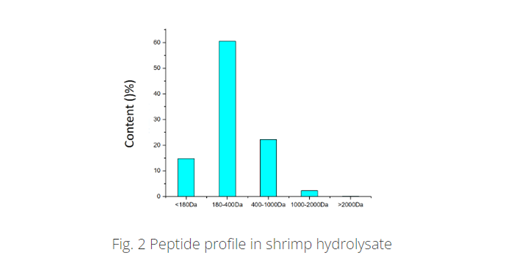
Annzyme® Complex enzyme PF116 is a complex enzyme for the hydrolysis of the protein and tissue of fishs & shrimps to increase the utilization of waste from fishs & shrimps.
CHARACTERISTICS
|
Items |
Index |
|
Appearance |
Tawny powder or granule |
|
Activity Unit (U/g) |
300,000 U/g |
|
Working pH |
5.0-7.0 |
|
Working Temp |
40-60℃ |
PERFORMANCE
Make full use of waste protein;
Hydrolyzing protein into peptides and small peptides efficiently;
Improving palatability.
USAGE
|
Items |
Working Condition |
|
Natural |
|
|
Working Temp |
55-60℃ |
|
Working pH |
Directly add into raw materials |
|
Working Time |
Fish:3-6h |
|
Shrimp:1-3h |
|
|
Dosage |
Fish:1% - 2% |
|
Shrimp:0.1% - 0.5% |
APPLICATIONS
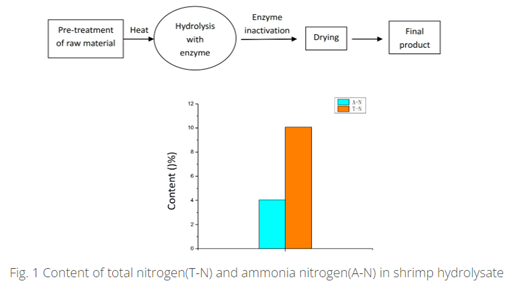
Processing:
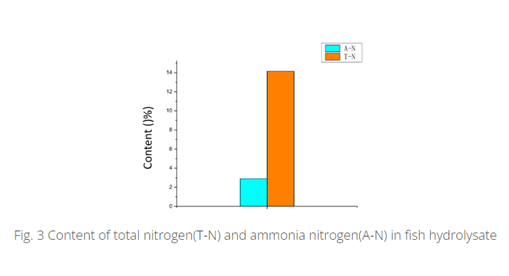
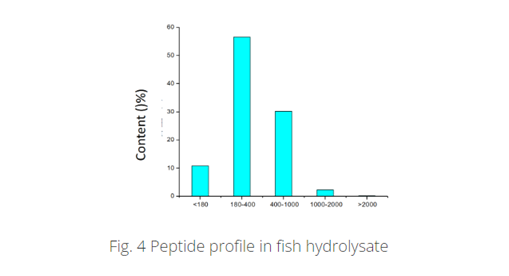
PACKAGE & STORAGE
Net weight: 20kg/bag.
Transport and store in cool dry place and avoid direct exposure to sunlight or moisture. Stored below 25℃in original sealed package, activity of solid enzyme remains stable for a period of up to 12 months, for longer shelf-life please keep under 4℃.
PRECAUTIONS
The enzyme preparation may irritate the skin and eyes. The dust may cause sensitization when inhaled. Please take precautions to avoid direct contact with the product. Rinsing thoroughly with copious amount of water in case of contacted with the skin or eyes, Seek medical advice if lung irritation occurs.
DESCRIPTION
This enzyme is derived from the fermentation products of Bacillus Subtilis, Angel protease hydrolyzes N-terminal peptide bonds of non-polar amino acid residues and may preferentially attack denatured and intercellular proteins with exposed hydrophobic amino acid residues. It is widely used in brewery fermentations and in the manufacture of alcohol, food processing, feed additives, leather processing, etc.
CHARACTERISTICS
|
Spec\Type |
Solid |
|
Appearance |
Yellow Brown Powder |
|
*Activity Unit (U/g) |
50000 |
|
Working Temp |
35℃-45℃ |
|
Working pH |
6.5-7.5 |
|
Size or Density |
≥60%(Standard Mesh Size 40) |
APPLICATIONS
Neutral protease is a water-soluble enzyme that is capable of breaking down peptide bonds in proteins. It breaks down and increases protein dispersibility, solubility, palatability and digestibility. The effectiveness of this Neutral protease is achieved through continuous technical research and bioengineering refinements.
USAGE
Feed additives: Recommended dosage is 60-200g of neutral protease (50000U/g) per ton of complete feed. The product should be well mixed with feedstuff.
SPECIFICATIONS
Solid: sealed in plastic inner bag, with a fabric outer bag, net weight 20kg/bag
STORAGE
Transport and store in cool dry place and avoid direct exposure to sunlight or moisture. Stored below 15℃in original sealed package, the activity of solid enzyme remains stable for a period of up to 6 months.
PRECAUTIONS
The enzyme preparation may irritate the skin and eyes. The dust may cause sensitization when inhaled. Please take precautions to avoid direct contact with the product. Rinsing thoroughly with copious amount of water in case of contacted with the skin or eyes, Seek medical advice if lung irritation occurs.
DESCRIPTION
Derived from fermentation products of Bacillus subtilis, Angel α-amylase is used to hydrolyze preferentially a -1,4 linkages in short chain oligosaccharides produced by the action of other enzymes on amylose and amylopectin e.g. α-glucosidases.
CHARACTERISTICS
|
Items |
α-amylase |
|
Physical Appearance |
Light Brown Powder |
|
*Activity: U/g |
2,000-5,000 |
|
Density (mesh size 40) |
≥80% |
|
Effective Temperature |
30℃-70℃ |
|
Effective pH |
5.0-7.0 |
|
Activator |
Ca++ ions(necessity) |
MECHANISM
supplement the deficiency of endogenous enzyme during weaning period;
Improve the utilization of grain starch;
Reduce environmental pollution by increasing the absorption of nutrient.
APPLICATIONS
1. Maltose, monosodium glutamate: 6-8U per one gram of material.
2. Beer industry: 6 U per one gram of material.
3. Used in the desizing of textile: Dosage is about 0.2% ( 2000U/g ), at 60℃-80℃20-40min.
4. Other Industries: 6-8U of enzyme activity units/1g of starch, The concentration of calcium ion is 150ppm.
USAGE
Feed additives: Recommended dosage is 25-50g of α-amylase(2000U/g) per ton of complete feed. The product should be well mixed with feedstuff.
SPECIFICATIONS
Solid: sealed in plastic inner bag, with a fabric outer bag, net weight 20kg/bag
STORAGE
Transport and store in cool dry place and avoid direct exposure to sunlight or moisture. Stored below 15℃in original sealed package, activity of solid enzyme remain stable for a period of up to 6 months, and activity of liquid enzyme remain stable for a period of up to 6 months.
PRECAUTIONS
The enzyme preparation may irritate the skin and eyes. The dust may cause sensitization when inhaled. Please take precautions to avoid direct contact with the product. Rinsing thoroughly with copious amount of water in case of contacted with the skin or eyes, Seek medical advice if lung irritation occurs.
DESCRIPTION
Derived from the fermentation products of Aspergillus niger, Angel phytase is an enzyme that catalyzes the hydrolysis of phytic acid (myo-inositol hexakisphosphate) an indigestible, organic form of phosphorus that is found in grains and oil seeds, and releases a usable form of inorganic phosphorus.
CHARACTERISTICS
|
Items |
Solid |
|
|
Physical Appearance |
White Granule |
White Powder |
|
*Activity: U/g |
5000-10000 |
200000 |
|
Density: mesh size |
60-80 |
100-120 |
|
High temperature resistance |
83℃ |
No |
|
Effective pH |
3.5-7.5 |
|
|
Effective Temperature |
35℃-65℃ |
|
|
Loss on Dry |
≤10% |
|
|
Items |
Solid |
|
|
Physical Appearance |
White Granule |
Yellow Powder |
|
*Activity: U/g |
5000~10000 |
10000~40000 |
|
Density: mesh size |
60-80 |
60-80 |
|
High temperature resistance |
No |
No |
|
Effective pH |
3.5-7.5 |
|
|
Effective Temperature |
35℃-65℃ |
|
|
Loss on Dry |
≤10% |
|
MECHANISM
- Hydrolyze phytate in feed, release digestible phosphorus, increase the utilization of phosphorus in feed;
- Reduce the amount of supplemental inorganic P, decrease the feed cost, save space of formula;
- Decrease the excretion of P in manure and the environment pollution;
- Improve the availability of nutrients such as minerals and proteins, improve the animal performance;
- Cut down the risk of the heavy metals by supplemental di-calcium phosphate.
APPLICATIONS
Phytase application can reduce phosphorus excretion by up to 50%, a feat that would contribute significantly toward environmental protection. Furthermore, phytase supplementation leads to improved availability of minerals and trace elements. In addition to its major application in animal nutrition, phytase is also used for processing of human food. Research in this field focuses on better mineral absorption and technical improvement of food processing.
USAGE
Table 1 Dosage Recommended in Complete Feeds
|
Animal |
Phytase (U/ton) |
Quantity of Substitued CaHPO4 (Kg/ton) |
|
Laying hens |
300,000 |
8.5-9.2 |
|
Swine |
500,000 |
6.0-8.5 |
|
Laying Duck |
500,000 |
9.0-12.0 |
|
Broiler/Meet duck |
500,000 |
6.0-8.5 |
Table 2 Matrix values of phytase 5000
|
|
Laying hens |
Laying Duck |
Broiler/Meet duck |
Swine |
|
DE, Mcal/kg |
530 |
530 |
530 |
120 |
|
CP, % |
2250 |
2250 |
2200 |
2000 |
|
Lysine, % |
100 |
100 |
100 |
75 |
|
Calcium, % |
1700 |
1750 |
1000 |
1150 |
|
Available P, % |
1900 |
2100 |
1000 |
1000 |
|
Total P, % |
2300 |
2500 |
1180 |
1200 |
SPECIFICATIONS
Solid: sealed in plastic inner bag, with a fabric outer bag, net weight 25kg/bag
STORAGE
Transport and store in cool dry place and avoid direct exposure to sunlight or moisture. Stored below 25℃in original sealed package, activity of solid enzyme remains stable for a period of up to 12 months.
PRECAUTIONS
The enzyme preparation may irritate the skin and eyes. The dust may cause sensitization when inhaled. Please take precautions to avoid direct contact with the product. Rinsing thoroughly with copious amount of water in case of contacted with the skin or eyes, seek medical advice if lung irritation occurs.
DESCRIPTION
Cellulase enzyme was derived through fermentation, extraction and refinement from Trichoderma species. It is mainly used to degrade cellulose in fibers to create simple sugars. It is capable of breaking down cellulose and fibers into simple sugar units, resulting in greater utilization of raw ingredients.
CHARACTERISTICS
|
Items |
Cellulase |
|
Physical Appearance |
Light yellow powder |
|
*Activity: U/g |
10,000 |
|
Density (mesh size 40) |
≥80% |
|
Effective Temperature |
40℃-60℃ |
|
Effective pH |
3. 5-5. 5 |
|
Loss on Dry |
≤10% |
*Activity : One activity unit of cellulase is the amount of enzyme, which liberates 1 mg of reducing sugar from carboxymethyl cellulose sodium solution in 1 hour at 50℃ and pH4. 8.
MECHANISM
Eliminate anti-nutritional effects of soluble xylan in animal feedstuff, decrease chyme viscosity;
Break down cell wall of cereal to improve nutrient release and digestibility;
Improve animal uniformity and performance;
Increase cereal by-product utilization and reduce the cost of feedstuff;
Reduce environmental pollution by increasing the absorption of nutrient.
APPLICATIONS
As an additive to animal feed, cellulase can enhance the digestibility of animal feed, and it is also beneficial to protein digestion and absorption. By adding cellulase into animal feed, animals will show significant signs of increase in weight, milk and egg production, greater ability to adapt to different environments, and a better immune system. When used in food, Chinese medicine, etc., the effectiveness, absorption, and nutritional effects tend to yield better results than those without the enzyme addition.
USAGE
Recommended dosage is 200g of mannanase (10,000U/g) per ton of complete feed. The product should be well mixed with feedstuff.
SPECIFICATIONS
Solid: sealed in plastic inner bag, with a fabric outer bag, net weight 20kg/bag
STORAGE
Transport and store in cool dry place and avoid direct exposure to sunlight or moisture. Stored below 15℃in original sealed package, activity of solid enzyme remains stable for a period of up to 12 months.
PRECAUTIONS
The enzyme preparation may irritate the skin and eyes. The dust may cause sensitization when inhaled. Please take precautions to avoid direct contact with the product. Rinsing thoroughly with copious amount of water in case of contacted with the skin or eyes, seek medical advice if lung irritation occurs.
DESCRIPTION
Derived from the fermentation products of Aspergillus niger, Angel acid protease catalyzes amide (peptide) bond hydrolysis in protein or peptide substrates. It is widely used in brewery and manufacture of alcohol, food processing, feed additives, leather processing, etc.
CHARACTERISTICS
|
Spec\Type |
Acid protease |
|
|
Appearance |
Tawny powder |
Brown Liquid |
|
*Activity Unit (U/g) |
50,000~80,000 |
50,000~100,000 |
|
Working Temp |
30℃-45℃ |
|
|
Working pH |
2.5-5.0 |
|
|
Size or Density |
≥80%(Standard Mesh Size 40) |
--- |
*Activity: One Activity Unit is the amount of Acid Protease required to liberate the equivalent of 1 μg of Tyrosine per minute under the specified conditions and at 40℃, pH 3.0
APPLICATIONS
Acid protease is a water soluble enzyme that is capable of breaking down peptide bonds in proteins. It breaks down and increases protein dispersibility, solubility, palatability and digestibility. The effectiveness of this Acid protease is achieved through continuous technical research and bioengineering refinements.
USAGE
1. Levels: in alcohol fermentation from corn, the amount of enzyme used usually ranges between 10-16 activity units per gram of ingredient, depending on ingredients and other considerations. An example would be if 14 activity units per gram ingredient is chosen, then for each ton of ingredient, 280 g of 50000 U/g Acid Protease would be used. If 40000 U/g of Acid Protease is used, then 350 g should be needed. In food and feed, the amount used will depend on the specific need of the cllent and should be adjusted accordingly, with a suggestion of 5-10 U/g ingredient to begin with. For soy sauce production, the suggested rate is 25 U/g ingredient, and for beer, 5 U/g ingredient is suggested.
2. Method:
a) Initial fermentation of Alcohol: After filling 1/3 of the ingredients into the fermenting cellar, add in a full amount of livened enzyme. Continue filling cellar and ferment.
b) Post-fermentation of alcohol: Add acid protease to the fermenting batch through the successive sugar-adding slot provided on the fermenting cellar.
c) Fermenting solids to produce alcohol: After heating the ingredients, cool down to the ideal temperature range and add the whole required amount of acid protease. Be sure the enzyme is thoroughly mixed in.
d) Yeast production through fermentation of solid or production of single cell protein feed: After heating, cool the ingredients to 30℃. Add 20 units of Acid Protease per gram of ingredient to lukewarm water, after dissolving, add yeast strain and mix well into batch of ingredients and ferment.
SPECIFICATIONS
Solid: sealed in plastic inner bag, with a fabric outer bag, net weight 20kg/bag
STORAGE
Transport and store in cool dry place and avoid direct exposure to sunlight or moisture. Stored below 15℃in original sealed package, activity of solid enzyme remains stable for a period of up to 6 months.
PRECAUTIONS
The enzyme preparation may irritate the skin and eyes. The dust may cause sensitization when inhaled. Please take precautions to avoid direct contact with the product. Rinsing thoroughly with copious amount of water in case of contacted with the skin or eyes, Seek medical advice if lung irritation occurs.
DESCRIPTION
This enzyme is derived from the fermentation products of Trichoderma reesei. Angel xylanase is able to breakdown xylan at the β-1,3-D-xylanosidic bond to eliminate the anti-nutritional factor, and increase the utilization of feedstuff.
CHARACTERISTICS
|
Items |
Xylanase |
Xylanase HTT |
|
Physical Appearance |
White Powder |
|
|
*Activity: U/g |
100,000-300,000 |
50,000-100,000 |
|
High temperature resistance |
No |
85℃ |
|
Density (mesh size 40) |
≥80% |
|
|
Effective pH |
3. 5-7. 5 |
|
|
Effective Temperature |
35℃-65℃ |
|
|
Loss on Dry |
≤10% |
|
*Activity : One activity unit of xylanase is the amount of enzyme, which liberates 1 μmol of reducing sugar from the substrate in one minute at 37℃and pH5. 5.
MECHANISM
APPLICATIONS
xylanases helps to break down plant cell walls which are used as food additives to poultry, in wheat flour for improving dough handling and quality and improving of baked products. Other applications are for the extraction of coffee, plant oils, and starch, in the improvement of nutritional properties of agricultural silage, grain feed. In combination with pectinase and cellulose, it is applied for clarification of fruit juices and degumming of plant fiber sources such as flax, hemp, jute, and ramie.
USAGE
Recommended dosage is 100-200g of xylanase(10000U/g) per ton of complete feed. The product should be well mixed with feedstuff.
SPECIFICATIONS
Solid: sealed in plastic inner bag, with a fabric outer bag, net weight 20kg/bag
STORAGE
Transport and store in cool dry place and avoid direct exposure to sunlight or moisture. Stored below 15℃in original sealed package, activity of solid enzyme remain stable for a period of up to 12 months.
PRECAUTIONS
The enzyme preparation may irritate the skin and eyes. The dust may cause sensitization when inhaled. Please take precautions to avoid direct contact with the product. Rinsing thoroughly with copious amount of water in case of contacted with the skin or eyes, Seek medical advice if lung irritation occurs.
DESCRIPTION
This enzyme is derived from the fermentation products of Bacillus lentus, Angel mannanase targets the hydrolysis of complex polysaccharides of plant tissues into simple molecules like manno-oligosaccharides and mannoses. It is used foremost as additives in feed that contains soya and maize and that is intended for broiler hens and swine.
CHARACTERISTICS
|
Items |
Mannanase |
|
Physical Appearance |
White Powder |
|
*Activity (U/g) |
50,000 |
|
Density (mesh size 40) |
≥80% |
|
Effective pH |
3. 5-7. 5 |
|
Effective Temperature |
35℃-65℃ |
|
Loss on Dry |
≤10% |
*Activity: One activity unit of mannanase is the amount of enzyme, which liberates 1 μmol of reducing sugar from the substrate in one minute at 37℃and pH5. 5.
MECHANISM
APPLICATIONS
Mannanases are used mainly for improving the quality of food, feed and aiding in enzymatic bleaching of softwood pulps in the paper and pulp industries. Reduction in weight gain and feed conversion efficiency in poultry birds has been associated with intestinal viscosity due to different feeds. Different mannanase preparations are also used for the hydrolysis of coffee mannan, thus reducing significantly the viscosity of coffee extracts. It can be used in enzymatic oil extraction of coconut meat.
USAGE
Recommended dosage is 50-100g of mannanase (5000U/g) per ton of complete feed. The product should be well mixed with feedstuff.
SPECIFICATIONS
Solid: sealed in plastic inner bag, with a fabric outer bag, net weight 20kg/bag
STORAGE
Transport and store in cool dry place and avoid direct exposure to sunlight or moisture. Stored below 15℃in original sealed package, activity of solid enzyme remains stable for a period of up to 12 months.
PRECAUTIONS
The enzyme preparation may irritate the skin and eyes. The dust may cause sensitization when inhaled. Please take precautions to avoid direct contact with the product. Rinsing thoroughly with copious amount of water in case of contacted with the skin or eyes, seek medical advice if lung irritation occurs.
DESCRIPTION
Derived from the fermentation products of Trichoderma reesei. Angel β-glucanase is able to catalyze the β-glucosan in plants efficiently into glucose and other low molecular material, so as to reduce the viscosity of processed plants and animal chymus.
CHARACTERISTICS
|
Items |
Solid |
|
Physical Appearance |
white Powder or Granular |
|
*Activity (Solid: U/g; Liquid: U/ml) |
10,000 |
|
Density |
≥80%(mesh size 40) |
|
Effective pH |
4.0-9.0 |
|
Effective Temperature |
30℃-70℃ |
|
Loss on Dry |
≤10% |
*Activity : One activity unit of β-glucanase is the amount of enzyme, which liberates 1 μmol of reducing sugar from the substrate in one minute at 37℃and pH5.5.
MECHANISM
Decomposing the anti-nutritional factor of hemi-cellulose, namely, β-glucan and enhancing the nutrient digestibility of plant feedstuff, specifically in:
1. Lowering chyme viscosity and improving the digestibility and utilization of nutrient.
2. Breaking down cell wall structure, thus making crude protein, fat and carbohydrates in grain cells get absorbed more easily.
3. Reducing the propagation of harmful bacteria, improving the intestinal morphology to make it conducive to nutrient absorption.
APPLICATIONS
Mainly used in feed and beer industry. In feed, it can promote the release of nutrients in feed cell, reduce β-glucan viscosity in animal's intestinal tract, eliminate anti-nutritional factors, improve animal digestion and growth and increase feed benefit. In beer production, it can hydrolyze cellulose of beer mash and help to improve the fermentation and filtering effect.
USAGE
Feed additives: recommended dosage is 50-150g of β-glucanase (10000U/g) per ton of complete feed. The product should be well mixed with feedstuff.
SPECIFICATIONS
Solid: sealed in plastic inner bag, with a fabric outer bag, net weight 20kg/bag
STORAGE
Transport and store in cool dry place and avoid direct exposure to sunlight or moisture. Stored below 15℃in original sealed package, activity of solid enzyme remains stable for a period of up to 12 months.
PRECAUTIONS
The enzyme preparation may irritate the skin and eyes. The dust may cause sensitization when inhaled. Please take precautions to avoid direct contact with the product. Rinsing thoroughly with copious amount of water in case of contacted with the skin or eyes, seek medical advice if lung irritation occurs.
DESCRIPTION
Derived from the fermentation products of Aspergillus niger, Angel α-galactosidase homodimeric glycoprotein that hydrolyses the terminal alpha-galactosyl moieties from glycolipids and glycoproteins. It predominantly hydrolyzes ceramide trihexoside, and it can catalyze the hydrolysis of melibiose into galactose and glucose.
CHARACTERISTICS
|
Items |
α-Galactosidase |
|
Physical Appearance |
White to yellowish powder |
|
*Activity: U/g |
2,000 |
|
Density (mesh size 40) |
≥80% |
|
Effective pH |
3. 5-7. 5 |
|
Effective Temperature |
35℃-65℃ |
|
Loss on Dry |
≤10% |
*Activity : One activity unit of α-galactosidase is the amount of enzyme, which liberates 1 μmol of p-nitrophenol from the substrate (p- NPG) in one minute at 37℃and pH5. 5.
MECHANISM
APPLICATIONS
α-Galactosidases are used in the hydrolysis of raffinose and stachyose present in soy beans and other leguminous food and feed that cause intestinal discomfort, flatulence and low feed utilization in monogastrites. In beet sugar industry, α-galactosidases are used to remove raffinose from beet molasses increasing the sucrose yield. α-Galactosidase is also used to improve the gelling properties of galactomannans to be used as food thickeners. the enzymatic conversion of raffinose family oligosaccharides (RO) in soymilk may be a rational alternative to improve the nutritional quality of this low-cost, high-quality protein supplement for humans and animals. in the pulp and paper industry α-galactosidase could enhance the bleaching effect of β-mannanases on softwood pulp. In human medicine this enzyme can be used for the treatment of Fabry’s disease or for the blood type conversion.
USAGE
Recommended dosage is 50-150g of α-galactosidase (500U/g) per ton of complete feed. The product should be well mixed with feedstuff.
SPECIFICATIONS
Solid: sealed in plastic inner bag, with a fabric outer bag, net weight 20kg/bag
STORAGE
Transport and store in cool dry place and avoid direct exposure to sunlight or moisture. Stored below 15℃in original sealed package, activity of solid enzyme remains stable for a period of up to 12 months.
PRECAUTIONS
The enzyme preparation may irritate the skin and eyes. The dust may cause sensitization when inhaled. Please take precautions to avoid direct contact with the product. Rinsing thoroughly with copious amount of water in case of contacted with the skin or eyes, Seek medical advice if lung irritation occurs.
Related Blog (บล็อกที่เกี่ยวข้อง)

The Role of Acid Protease in Alcohol Fermentation
https://en.angelyeast.com/blog/enzymes/the-role-of-acid-protease-in-alcohol-fermentation.html

Application of Enzymes on Palatability of Pet Food
https://en.angelyeast.com/blog/enzymes/application-of-enzymes-on-palatability-of-pet-food.html

Enzyme Enhance Functionality of Plant Protein
https://en.angelyeast.com/blog/enzymes/enzyme-enhance-functionality-of-plant-protein.html